gall
Pronunciation: /ɡɔːl/ (American English)
Origin: Old English gealla, from Germanic origin; related to Dutch gal and German Galle, from an Indo-European root shared by Greek kholē and Latin fel, meaning 'bile'.
Meanings:
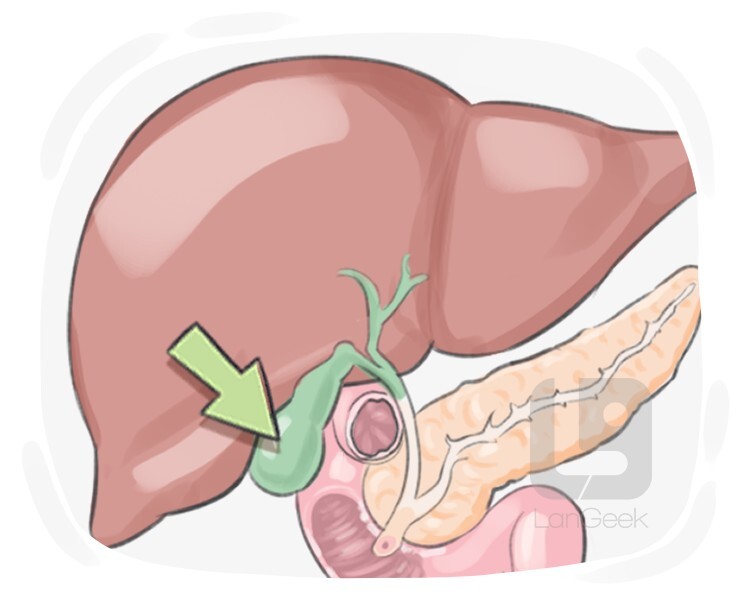
- (noun) Bitter fluid stored in the gallbladder; bile.
- (noun) Bold, impudent behavior; effrontery.
- (noun) A sore on the skin caused by chafing or rubbing.
- (noun) An abnormal growth on plants caused by insects or fungi.
- (verb) To irritate or annoy.
Example Sentences:
- The doctor explained that the gallbladder stores and releases gall to aid in digestion.
- He had the gall to ask for a raise after showing up late every day this week.
- The ill-fitting shoes caused a painful gall on her heel.
- The oak leaves were covered in small, round galls caused by wasp larvae.
- His constant complaining really galls me.
Related Words:
- Nouns: gallbladder, gallstone
- Adjectives: galling (irritating or exasperating)
- Verbs: gall (to irritate or annoy)
- Synonyms:
- (meaning 2) audacity, nerve, cheek, impudence
- (meaning 5) irritate, vex, annoy, exasperate
Memorizable Tricks:
- Think of "gall" as having the "audacity" to be as bitter as bile.
- Remember the phrase "gall and wormwood" (meaning something bitter or unpleasant) to connect gall with bitterness.
- The word "gallbladder" contains "gall," reminding you of its connection to bile.
- For the plant-related meaning, imagine a small, round "ball" on a leaf, but replace the "b" with "g" for "gall."