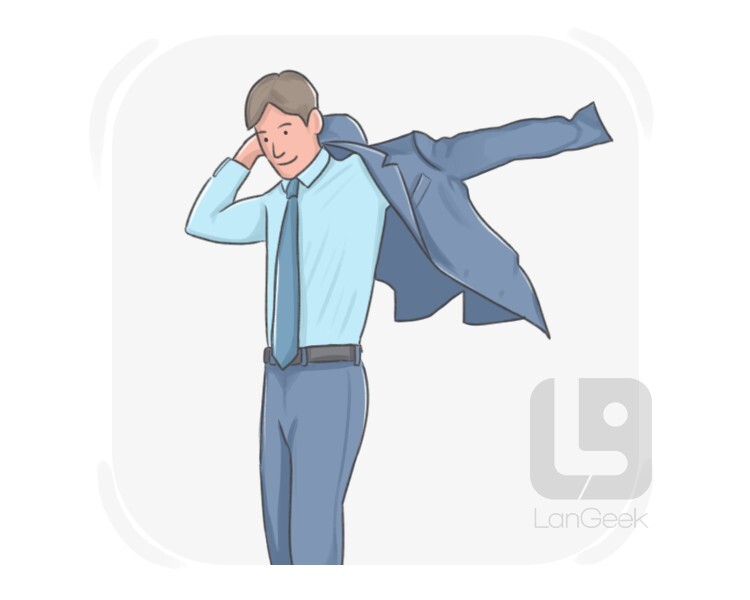
have on
Pronunciation: /hæv ɑn/ (American English)
Origin: Phrasal verb combining "have" (Old English "habban") and "on" (Old English "on")
Meanings:
- To be wearing (clothing or accessories)
- To deceive or trick someone
- To have something scheduled or planned
Example Sentences:
- "What do you have on for the party tonight?"
- "He had a big smile on when he entered the room."
- "She had me on about winning the lottery - it was just a joke."
- "Do you have anything on this weekend?"
Related Words:
- Different forms: has on, had on, having on
- Synonyms:
- (for wearing) wear, sport, don
- (for deceiving) fool, trick, deceive
- (for scheduling) plan, schedule, arrange
Memorization Tricks:
- Think of "have on" as literally having something on your body (clothes) or on your schedule (plans).
- For the deception meaning, imagine someone "putting on" a fake persona to trick others.
- Visualize a calendar with clothes pinned to it to remember both the "wearing" and "scheduled" meanings.