revolt
verb /rɪˈvoʊlt/ | noun /rɪˈvoʊlt/
Origin
From Latin "revolvere" (to roll back), via French "révolter" (to rebel)
Meanings
As a verb
To rise up against authority or control in protest or rebellion
- "The citizens revolted against the oppressive regime."
- "The soldiers revolted when their pay was cut."
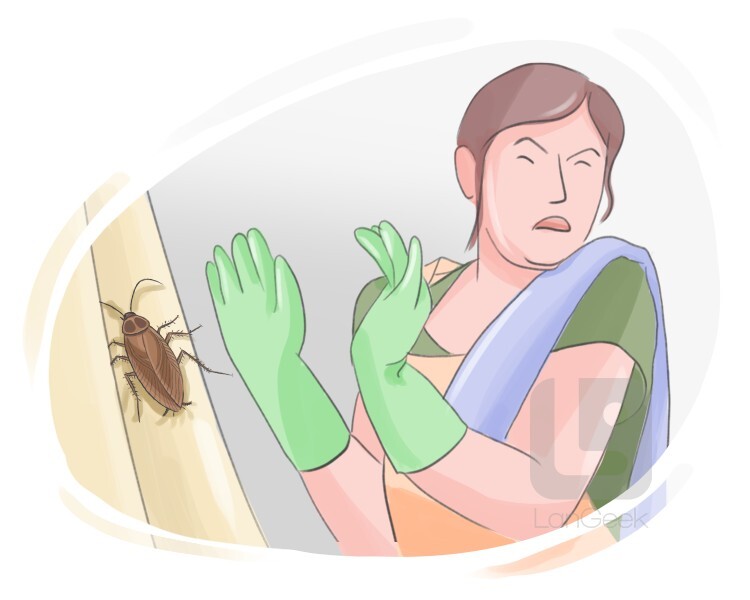
To feel or express strong disgust or repugnance
- "She revolted at the sight of the rotten food."
- "The idea of eating insects revolts many people."
As a noun
- An act of rebellion or revolution against authority
- "The peasant revolt spread across the country."
- "A tax revolt led to major policy changes."
Word Forms
- noun: revolt, revolts
- verb: revolt, revolts, revolting, revolted
- adjective: revolting
- adverb: revoltingly
Synonyms
- verb: rebel, resist, mutiny, rebel, uprising
- noun: rebellion, revolution, insurrection, uprising
- revolting: disgusting, repulsive, repugnant
Memory Tricks
- Think "RE + VOLT": Like an electrical VOLT, it represents a powerful force pushing back (RE) against something
- Remember the phrase "VOLT of energy" - revolts are energetic actions against authority
- Think of the word "revolution" - revolt is like a smaller version of a revolution
Usage Notes
- Often used with prepositions "against" or "from"
- Can be used both literally (political uprising) and figuratively (feeling disgust)
- The adjective "revolting" is commonly used informally to mean "disgusting"